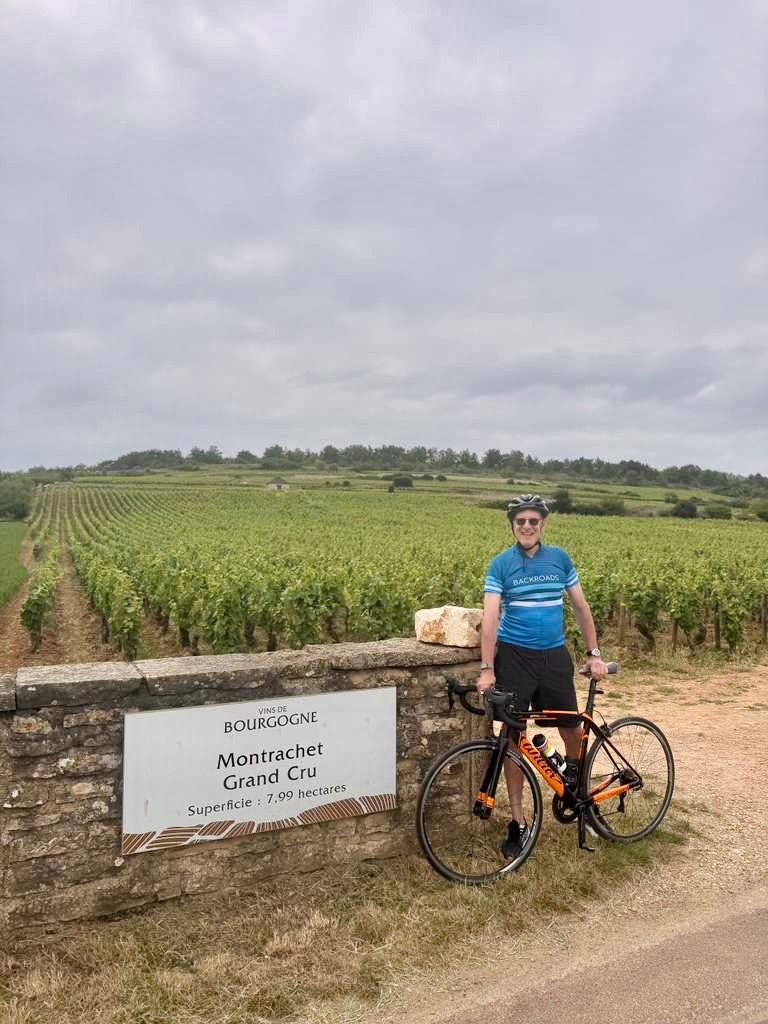
A quick primer on Burgundy, because it deserves one.
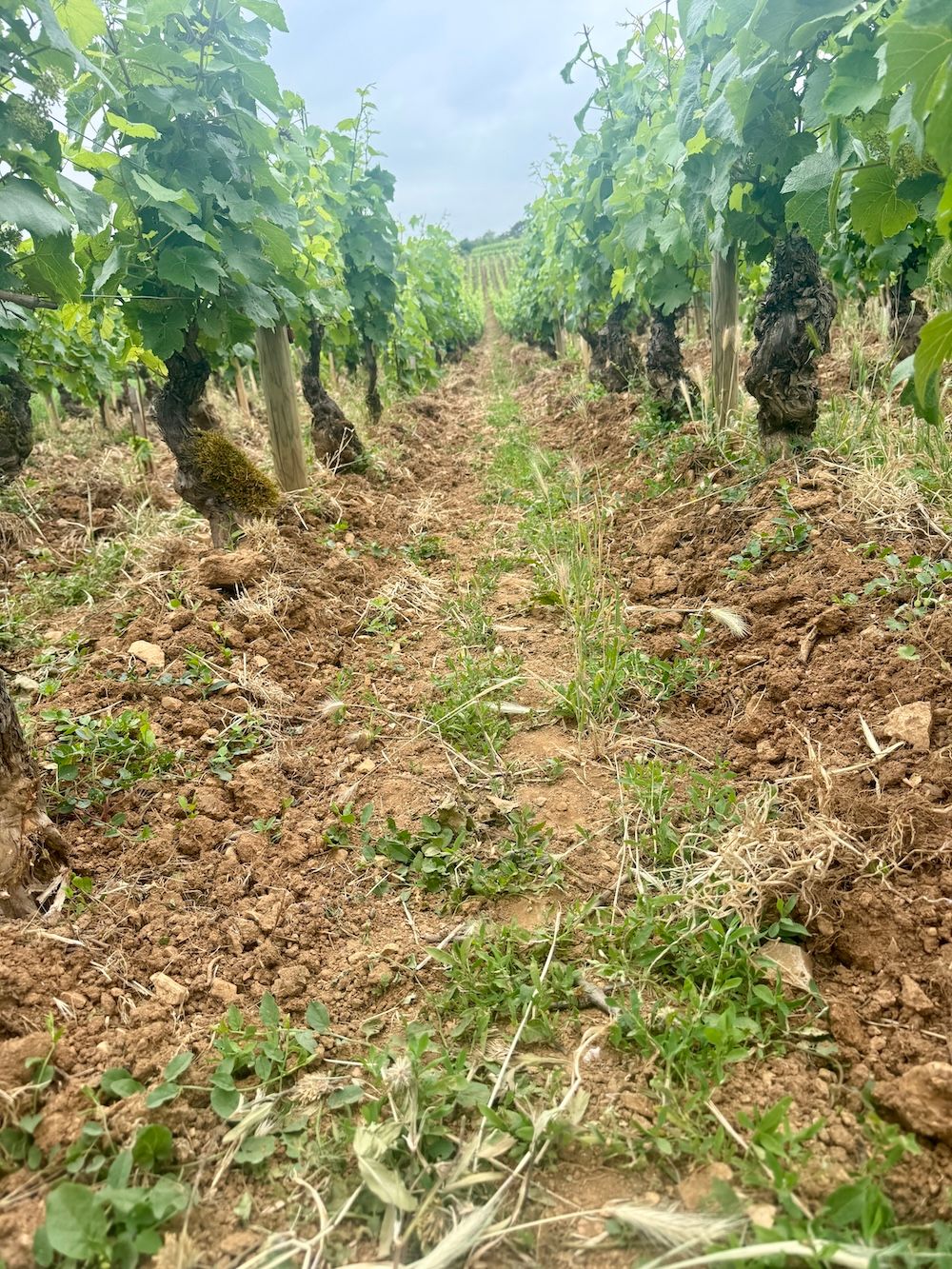
Burgundy is confusing. Unlike most wine regions, which name wines after the producer or the château, Burgundy names wines after the actual plot of ground where the grapes grew. Not the winery. The dirt. And these patches of dirt can be as small as 1% of a hectare (about 6 vineyard rows), an area smaller than a tennis court. If you've ever been to Napa or Willamette, you'll see the Burgundy rocky limestone soil that the grapes grow in looks very different:
This obsession with place goes back over a thousand years. Benedictine monks were farming these hillsides from the 9th century onward. The Cistercians, who founded their order at Cîteaux in Burgundy in 1098, took it further. Both kept meticulous records of each subplot, tasted the wines that came from them year after year, and slowly began to understand that adjacent plots, sometimes separated by just a few feet of elevation, could produce wines that tasted completely different. These wines are the best in the world because they've been experimented with and refined for over 1,000 years.
That monastic obsession became the foundation of what is now the world's most granular appellation system. Burgundy has 33 Grand Cru vineyards (the highest distinction), over 500+ Premier Cru vineyards, and hundreds more village-level appellations. Biking through these vineyards, a wine from one side of a gravel path can cost 40 Euro and from the other side, 20,000 Euro. Pinot Noir and Chardonnay dominate the prestige wines.
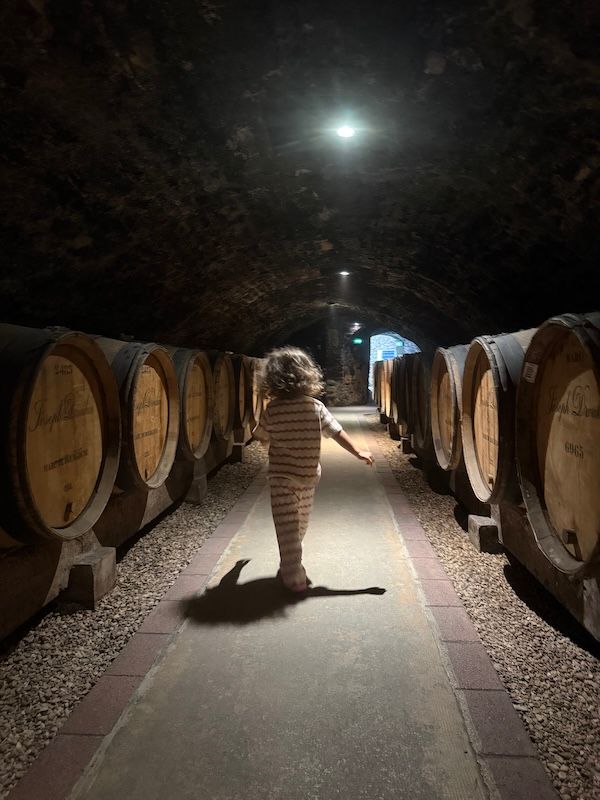
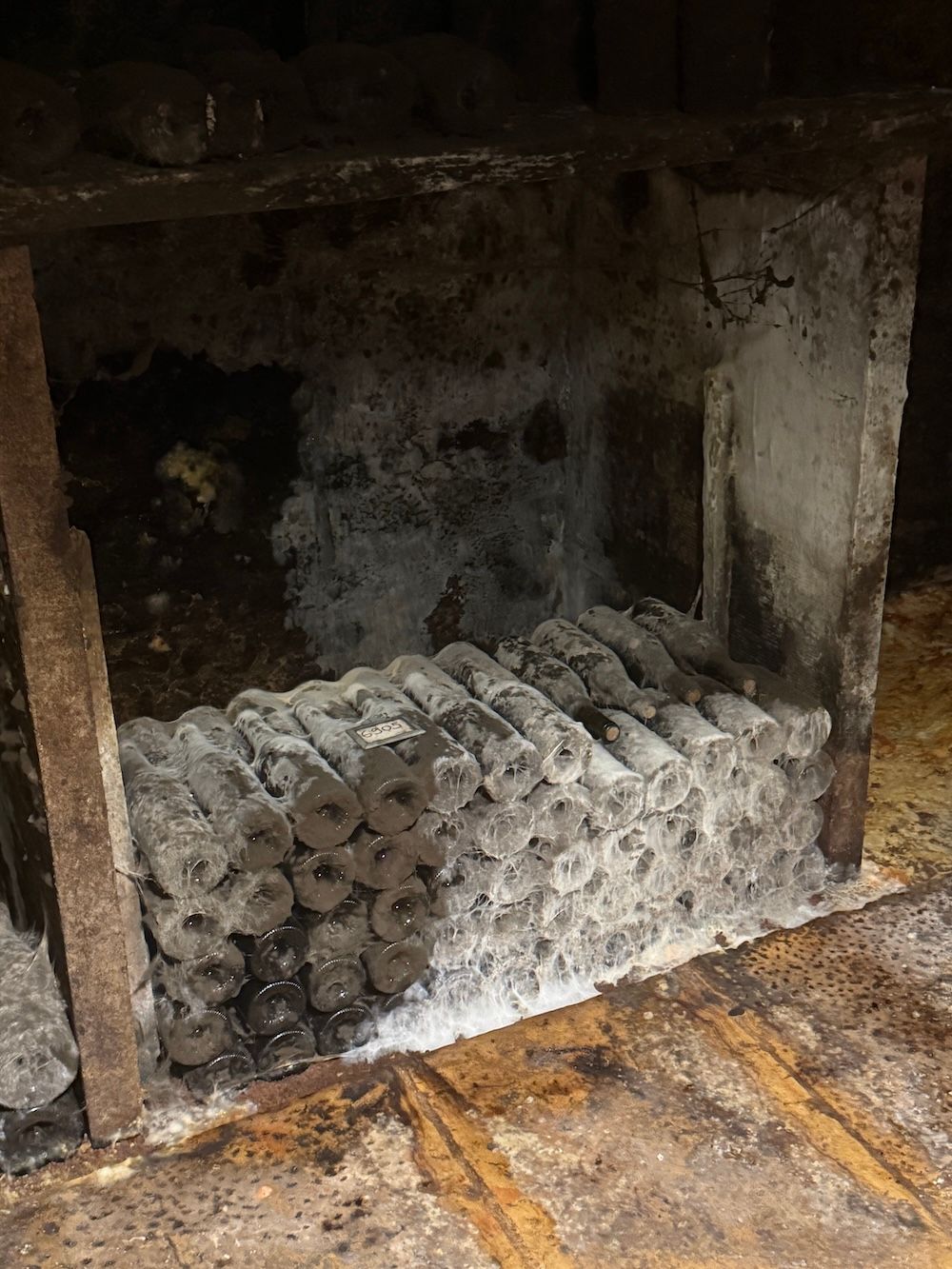
The area also has fascinating WW2 history, as Nazi wine connoisseurs who occupied France would direct their troops to go steal wine from this region. The winemakers would put up false walls in their cellars underground to fool the incoming troops. Here are a few photos of those underground cellars with walls dating back to Roman times.
Why it's considered the best.
The magic of Burgundy comes down to geology and climate operating at almost absurdly precise tolerances. The soils on this slope are a mix of limestone, clay, and marlstone that vary by altitude and orientation in ways that took centuries to understand. The Pinot Noir grape, notoriously difficult to grow and almost impossibly sensitive to terroir, reacts to this geology in a way that no other region has been able to replicate.
The Côte de Nuits, in the northern half of the Côte d'Or, is where most of the legendary reds come from: Gevrey-Chambertin, Vosne-Romanée, Chambolle-Musigny. The Côte de Beaune, in the south, is where you find the famous whites, particularly Meursault, Puligny-Montrachet, and Chassagne-Montrachet.
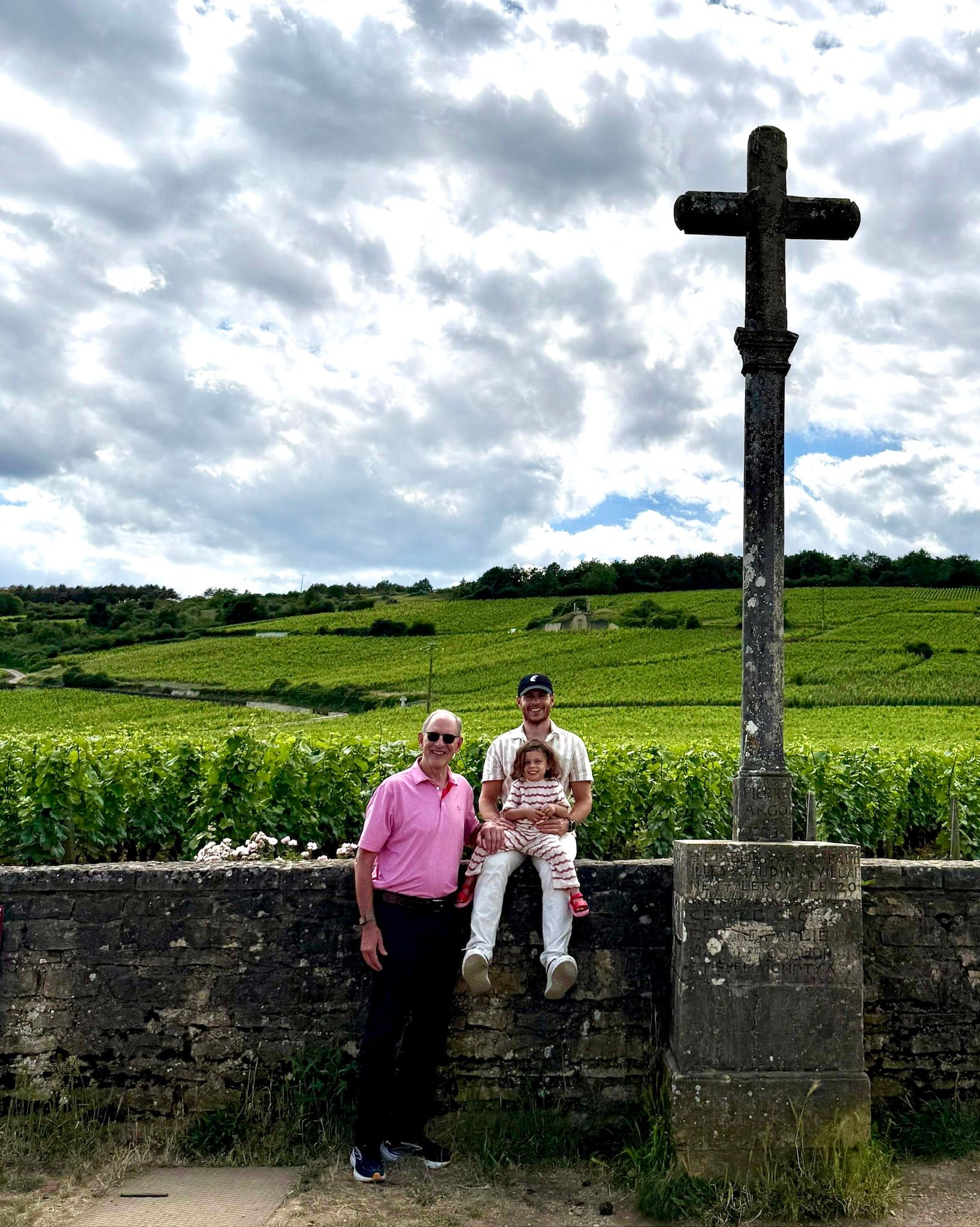
The most famous wine on earth, Romanée-Conti, comes from a 4.5-acre plot in Vosne-Romanée that produces around 5,000 to 6,000 bottles per year. In March of this year, a single bottle of 1945 Romanée-Conti sold for $812,500, setting the new record for the most expensive bottle ever sold. This is why this region is sometimes referred to as liquid gold. Here's a photo by its famous cross at the foot of its vineyards.
Why you need the right glass.
Burgundy reds are structurally fragile, especially compared to the bold ones that come from the hot climates of newer wine regions in America and Australia. A subtle wine served in the wrong glass, with too small an opening, will smell like nothing. The aromatics have nowhere to go, and as we know, taste is around 80% smell. If your wine glass is the wrong one, you'll drink the wine but miss the point entirely.
The classic Burgundy glass has a wide, balloon-shaped bowl that lets you swirl, aerate, and get your nose in. The opening is wider than that of a Bordeaux glass. The stem is long because you're not supposed to warm the wine with your hand. The lip is thin enough to disappear.
When we designed our Red Wine Glasses, we built around this silhouette. The expanded, decanter-shaped bowl aerates reds directly in the glass. The lip is laser cut to be as thin as we could make it without sacrificing durability. The crystal is made from quartz sourced from Europe's purest mineral deposit and made by craftsmen in Germany who have been doing this since 1521. These are not decorative objects. They are functional tools that happen to look beautiful.
We also make a White Wine Glass, with a narrower bowl to preserve floral aromatics and keep the wine cooler in the glass (modeled more after Bordeaux shapes). If you drink Burgundy whites, you'll probably still want to drink them from our Red Wine glasses, which are modeled after the grapes of this region.
A quick buying guide, since I know that's why some of you are still reading.
If you're new to Burgundy and want to start somewhere, go to the village level first. Bourgogne Rouge or Bourgogne Blanc are the entry-level appellations, and they're approachable. From there, pick a village: Gevrey-Chambertin for something structured and earthy, Volnay or Chambolle-Musigny for something more elegant and perfumed, Pommard for something a bit meatier. Premier Cru wines from good producers in these villages typically run $60-150 and give you a real sense of what the fuss is about.
Thanks for following along. If you're curious and looking for more wine content, here are some great pieces our team put out last year:

You received this email from Made In. If you would like to unsubscribe, click here. |

Sem comentários:
Enviar um comentário