Three things worth knowing before you cook on it. ͏ ͏ ͏ ͏ ͏ ͏ ͏ ͏ ͏ ͏ ͏ ͏ ͏ ͏ ͏ ͏ ͏ ͏ ͏ ͏ ͏ ͏ ͏ ͏ ͏ ͏ ͏ ͏ ͏ ͏ ͏ ͏ ͏ ͏ ͏ ͏ ͏ ͏ ͏ ͏ ͏ ͏ ͏ ͏ ͏ ͏ ͏ ͏ ͏ ͏ ͏ ͏ ͏ ͏ ͏ ͏ ͏ ͏ ͏ ͏ ͏ ͏ ͏ ͏ ͏ ͏ ͏ ͏ ͏ ͏ ͏ ͏ ͏ ͏ ͏ ͏ ͏ ͏ ͏ ͏ ͏ ͏ ͏ ͏ ͏ ͏ ͏ ͏ ͏ ͏ ͏ ͏ ͏ ͏ ͏ ͏ ͏ ͏ ͏ ͏ ͏ ͏ ͏ ͏ ͏ ͏ ͏ ͏ ͏ ͏ ͏ ͏ ͏ ͏ ͏ ͏ ͏ ͏ ͏ ͏ ͏ ͏ ͏ ͏ ͏ ͏ ͏ ͏ ͏ ͏ ͏ ͏ ͏ ͏ ͏ ͏ ͏ ͏ ͏ ͏ ͏ ͏ ͏ ͏ ͏ ͏ ͏ ͏ ͏ ͏

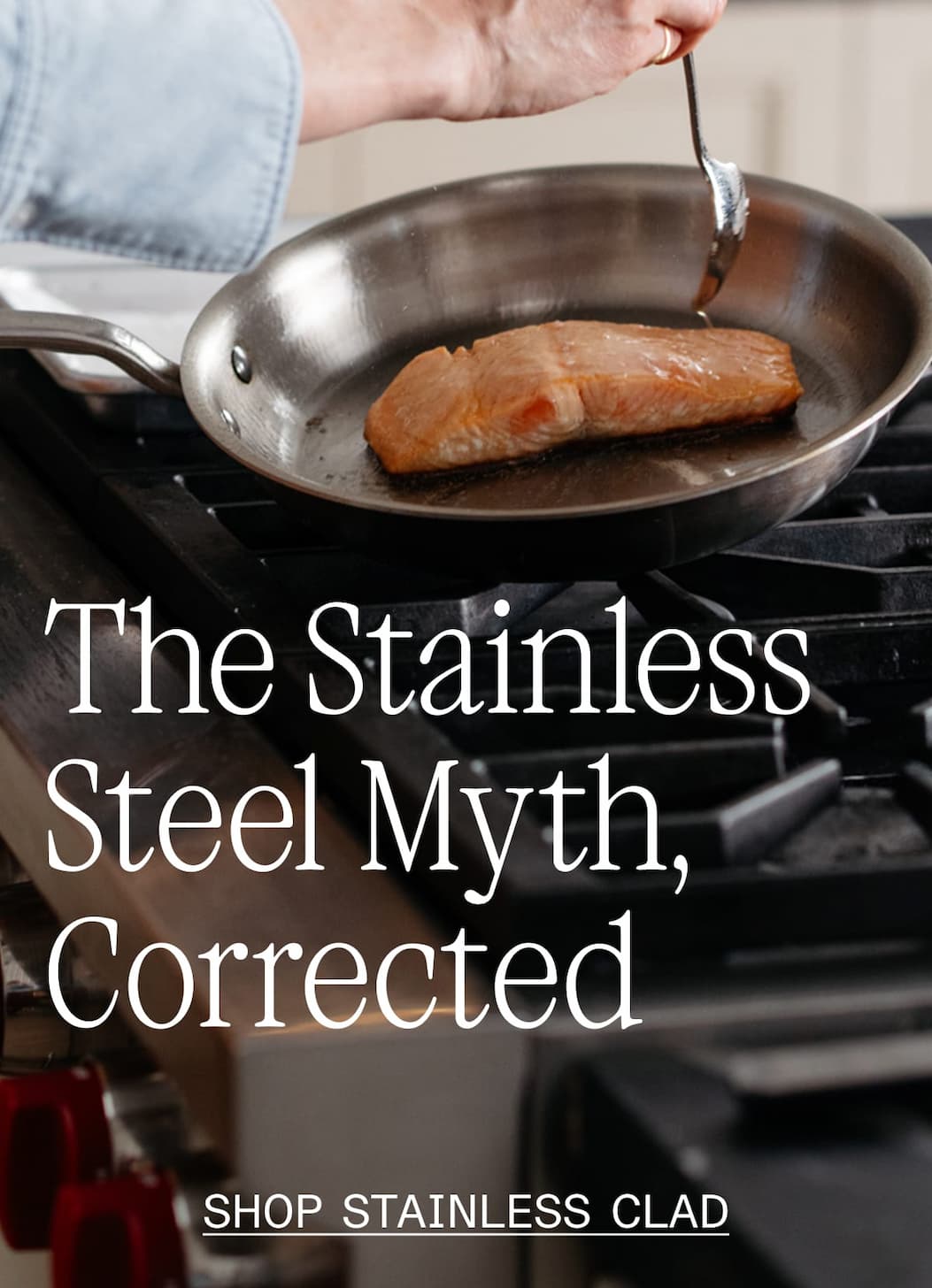
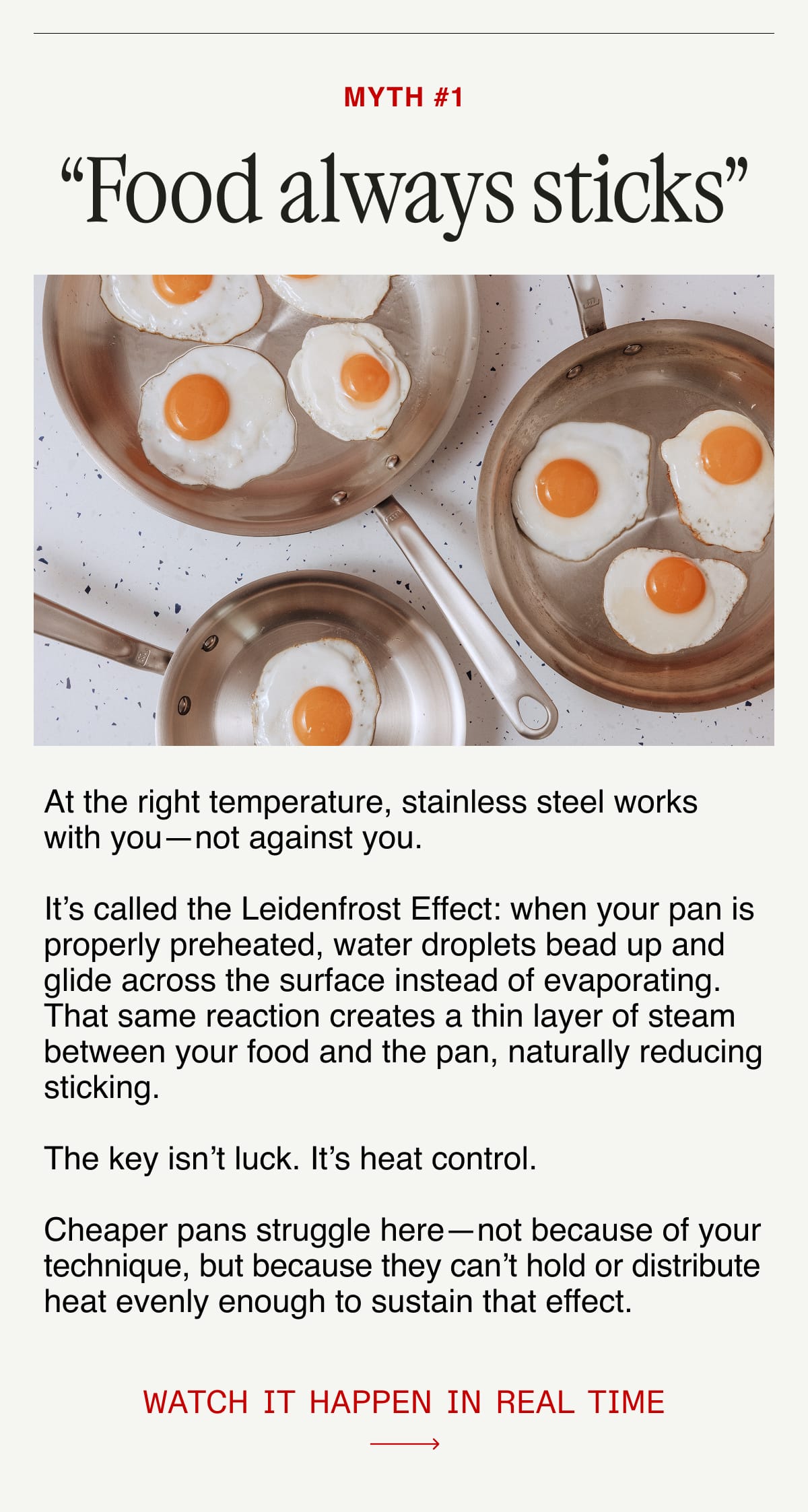
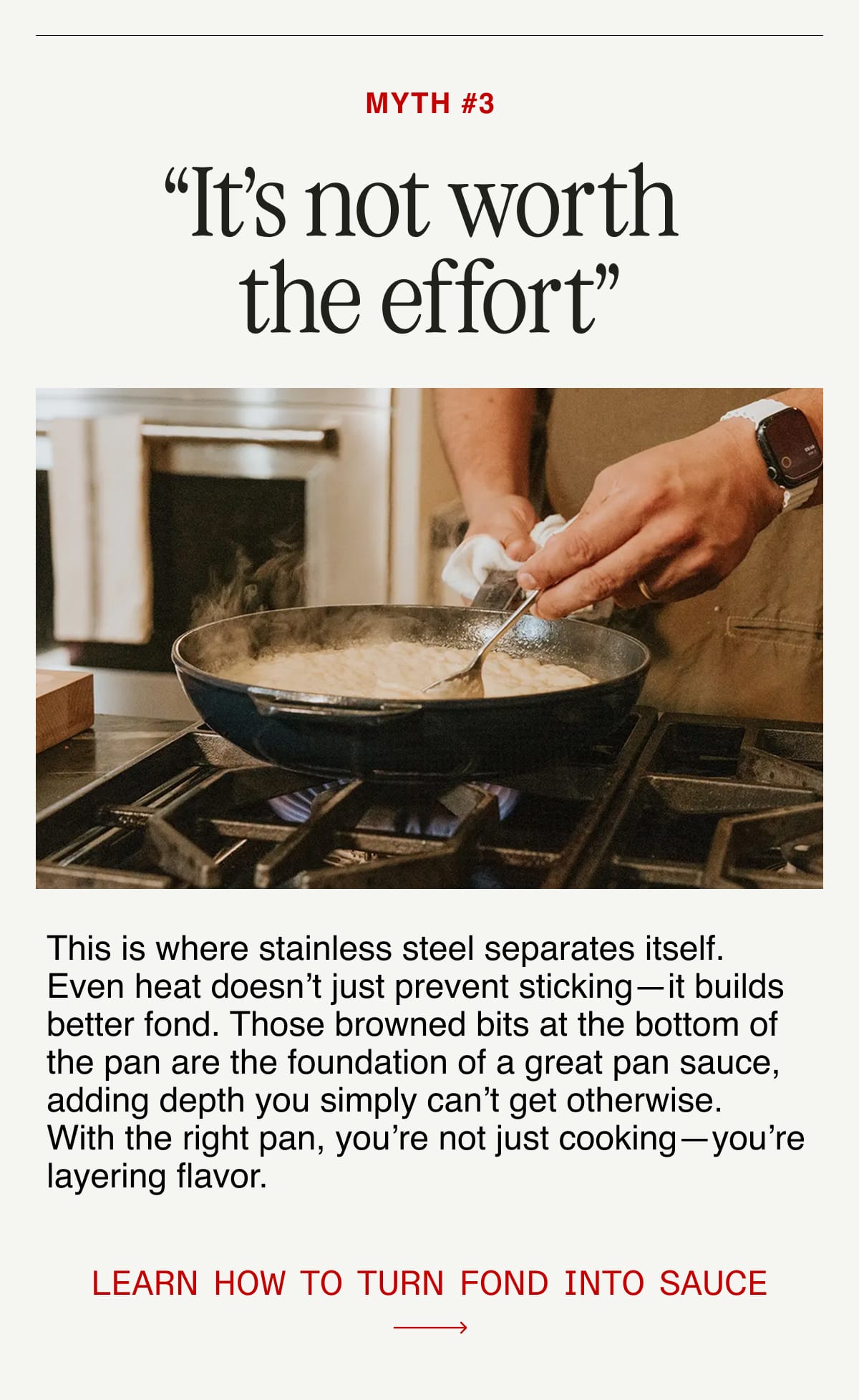
You’ve probably heard that stainless steel is hard to cook with, food sticks, cleanup is frustrating, and it takes “special technique”.
If that’s been your experience, it’s not surprising.
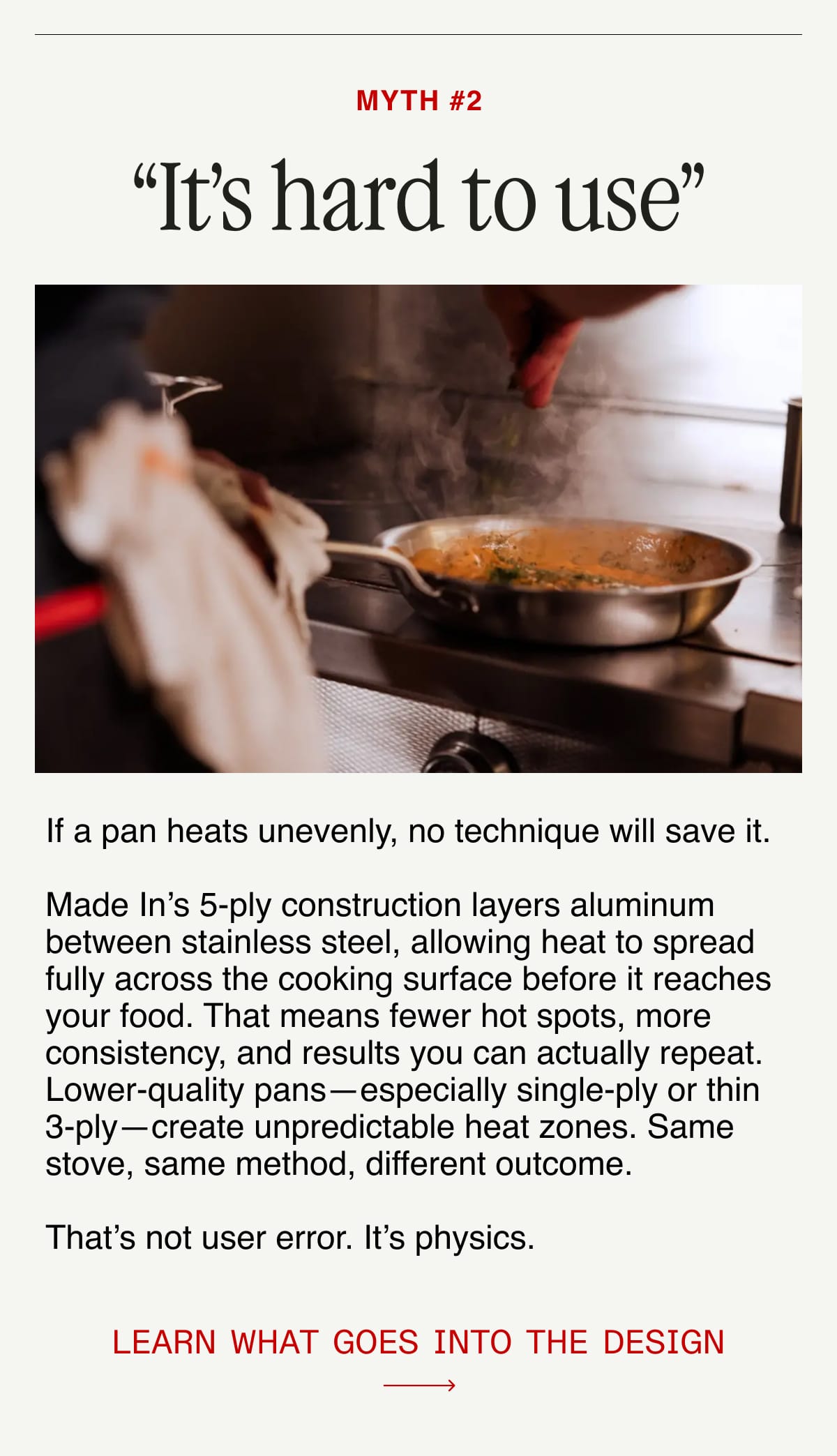
Most stainless pans don’t heat evenly enough to behave the way they should, which makes even simple techniques feel inconsistent.
But when stainless steel is built correctly like ours is, and used at the right temperature, it becomes far more straightforward.
Food releases when it’s ready. Cleanup gets easier. And the results are repeatable.
This isn’t about learning a new skill set.
It’s about using a pan that responds the way you expect.
Let’s break it down.
|
|
|
|
|



Sem comentários:
Enviar um comentário